Injection Molding
Injection Molding Production Services
Plastic parts feature outstanding advantages including light weight, corrosion resistance, electrical insulation, easy forming, low production cost, and flexible color & shape customization. They are widely applied across nearly all sectors, such as consumer goods, industrial equipment, medical devices, military supplies and infrastructure construction.
DOTZENO boasts nearly 17 years of professional injection molding experience. We have accumulated extensive expertise in stable, mass-volume production of plastic molded components. Simply send your design drawings to our engineers, and we will promptly provide professional analysis and optimization solutions.
Our Services Include
Mold Manufacturing
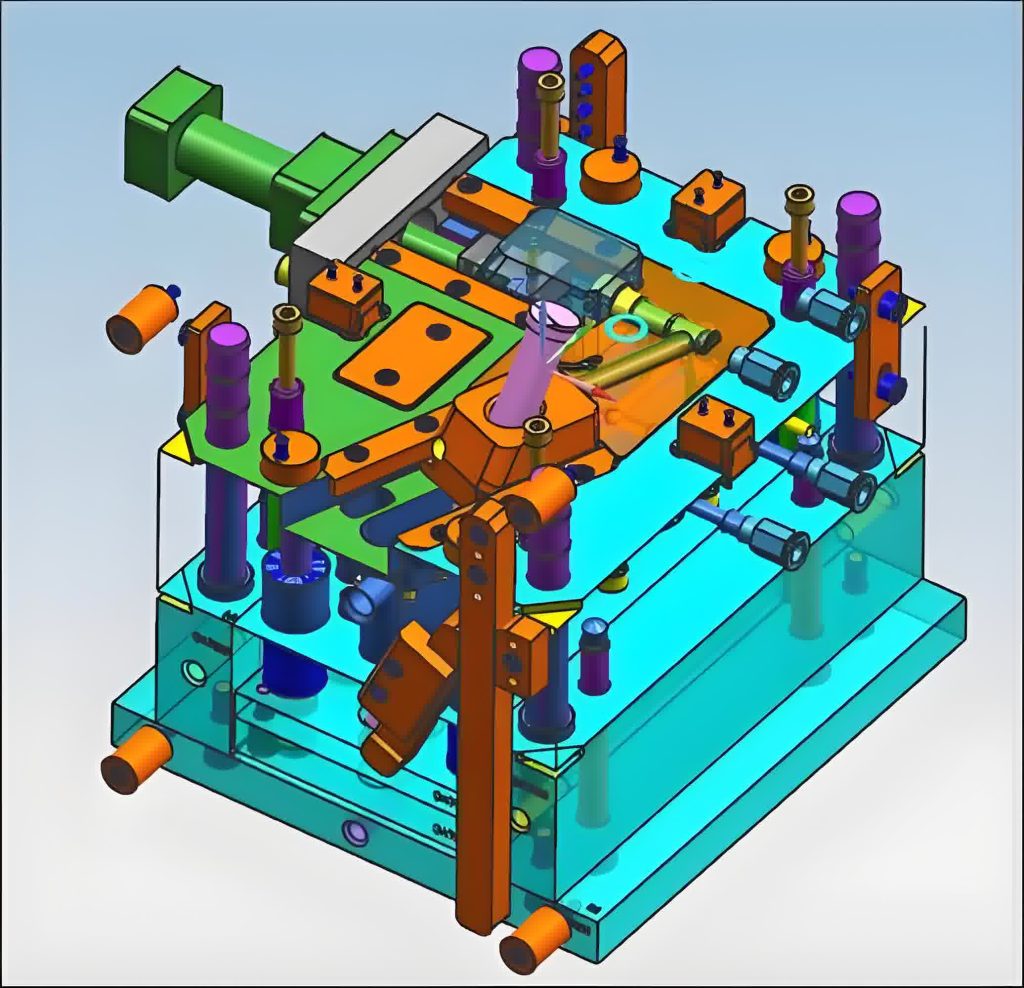
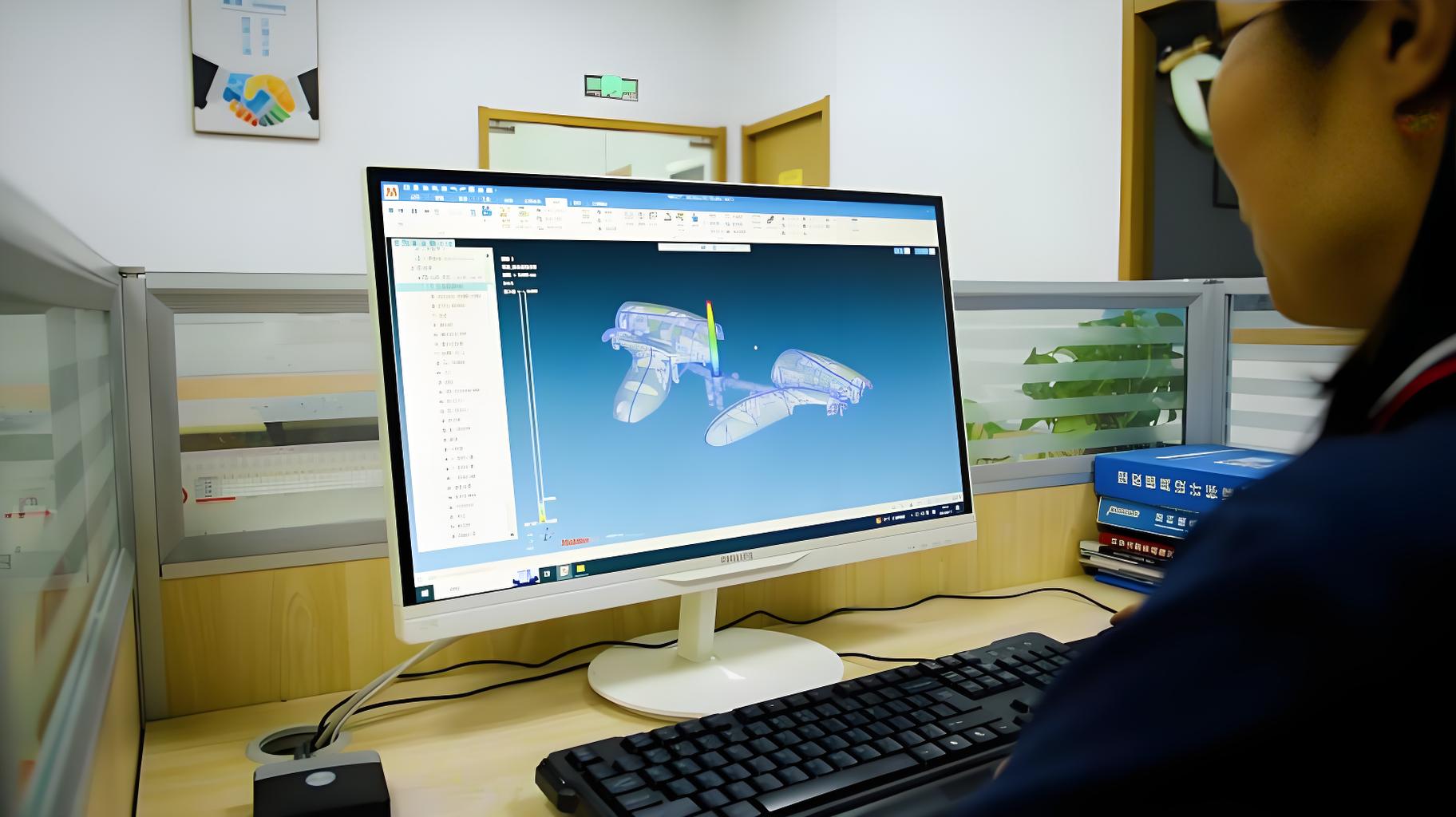
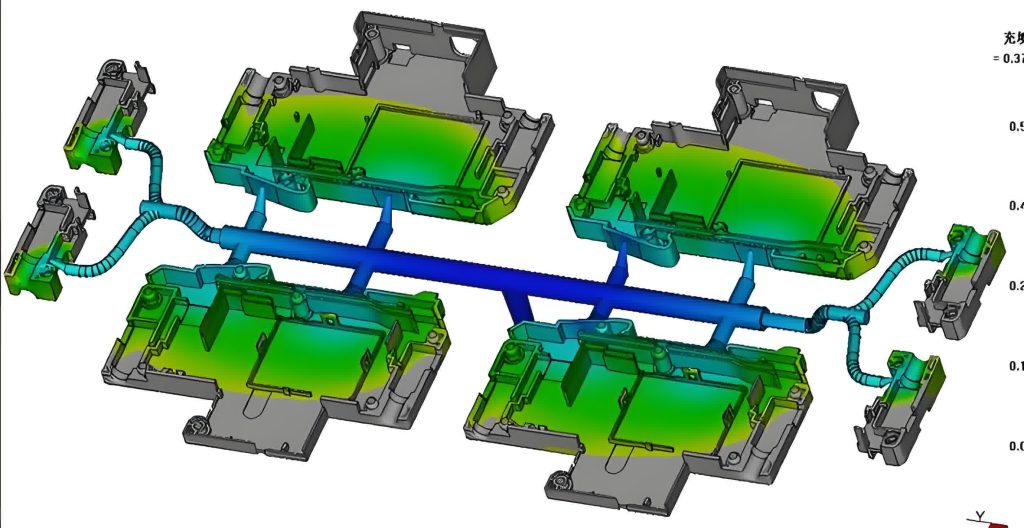
DOTZENO supplies custom injection molds optimized for both prototype testing and massproduction requirements. Prior to mold fabrication, our engineers perform thorough moldflow analysis on your product designs. We simulate realworld injection conditions to spot common potential defects including shrinkage, warpage, air entrapment and weld marks. Corresponding optimizations on gating, cooling system and mold structure will be implemented upfront to minimize production risks. Combined with DFM feedback, we help improve mold durability and guarantee consistent quality for your plastic components.
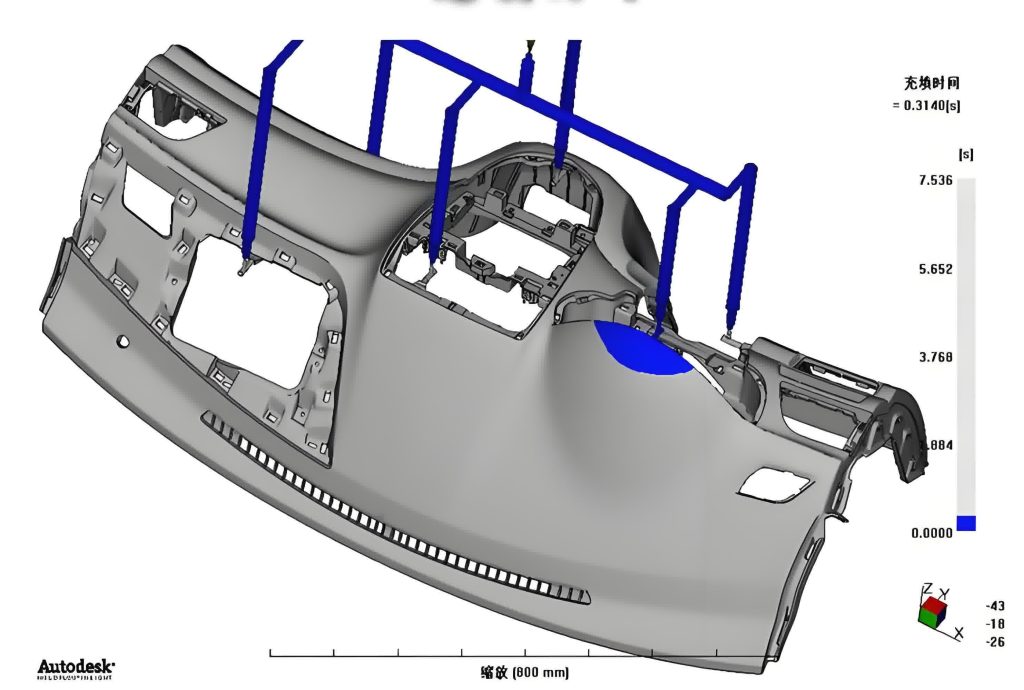
Injection Molding Production
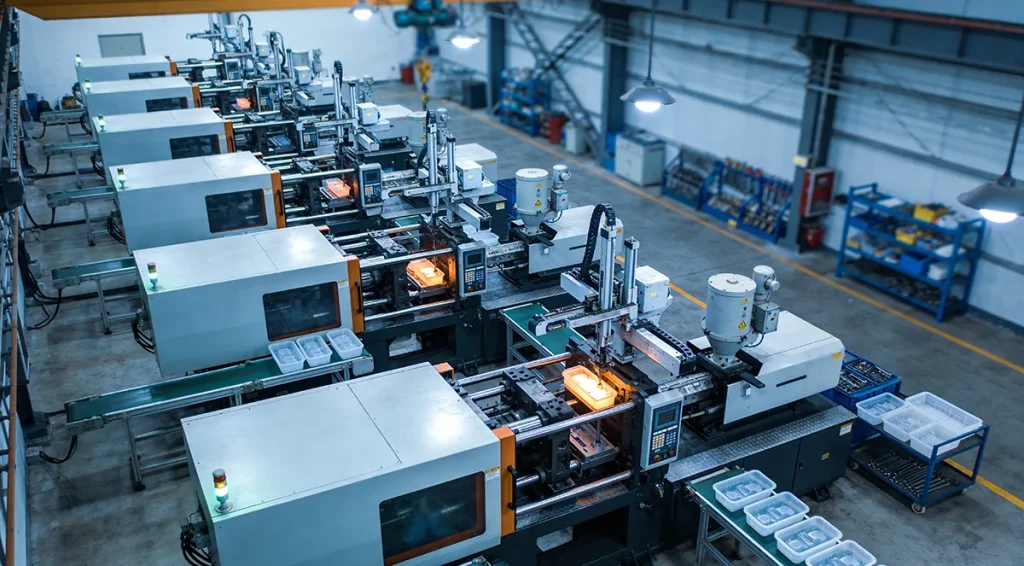
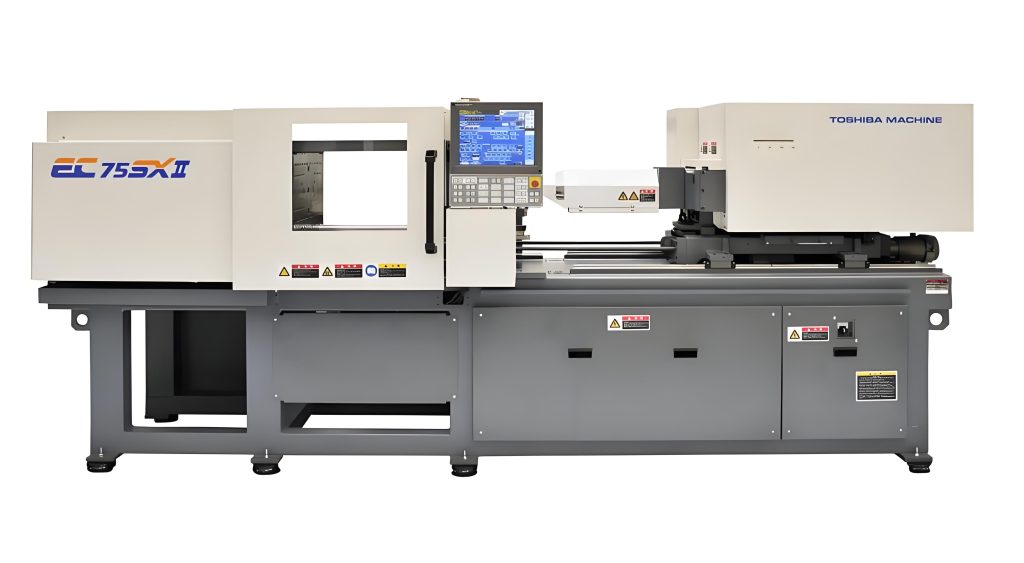
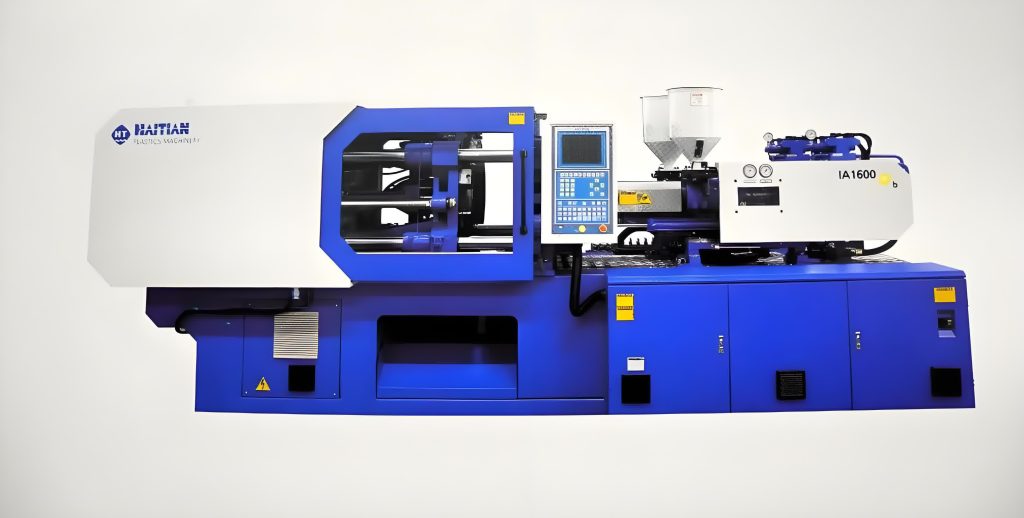
We are equipped with high-performance Haitian and Toshiba injection molding machines, with clamping forces ranging from 60 tons to 1600 tons.
Common General-Purpose Plastics for Injection Molding
Abbreviation | Full Name | Appearance & Texture | Core Advantages | Disadvantages | Typical Injection Molded Products |
PE | Polyethylene | Milky white translucent, waxy hand feel, good toughness | Low temperature resistance, waterproof & corrosion resistant, acid & alkali resistant, extremely low cost | Low hardness, easy to scratch, poor high temperature resistance (<80℃), difficult to bond | Plastic bags, water buckets, bottle caps, pipes, turnover boxes |
HDPE | High-Density Polyethylene | Harder, matte finish | Better rigidity and hardness than LDPE | Slightly poor low-temperature toughness | Chemical drums, plastic basins, pipelines |
LDPE | Low-Density Polyethylene | Soft, easy to bend | Ultra soft, tear resistant | Low strength, easy to deform | Films, hoses, cling film, soft bottle caps |
PP | Polypropylene | Translucent, lightweight, turns white when bent | Lightest plastic, resistant to 100℃ boiling water, chemical resistant, foldable, high cost-performance ratio | Brittle at low temperatures, poor UV resistance, low-temperature toughness | Meal boxes, water cups, home appliance housings, automotive interiors, woven parts |
PVC | Polyvinyl Chloride | Transparent or matte finish | Flame retardant, weather resistant, low cost, easy to color | Releases harmful substances at high temperatures, requires additives for processing, brittle at low temperatures | Drainage pipes, profiles, wire sheaths, toys (eco-friendly modified PVC) |
PS | Polystyrene | High transparency, hard & brittle, crisp sound when tapped | High light transmittance, easy to color, extremely easy to mold, low cost | Extremely brittle, cracks under slight impact, poor solvent resistance | Disposable lunch boxes, transparent lamp shades, accessories, home appliance liners |
HIPS | High-Impact Polystyrene | Milky white, opaque | Modified PS, greatly improved toughness | Loss of transparency, average heat resistance | Refrigerator inner liners, toy housings, home appliance housings |
Common Engineering Plastics for Injection Molding
Abbreviation | Full Name | Core Properties | Temperature Resistance | Advantages & Disadvantages | Typical Injection Molded Applications |
ABS | Acrylonitrile Butadiene Styrene | Balanced rigidity and toughness, easy to electroplate and color | -20~85℃ | Pros: Best comprehensive performance among general-purpose plastics; Cons: Poor resistance to organic solvents, average weatherability | Remote controls, keyboard keycaps, luggage, automotive exterior parts, home appliance housings |
PC | Polycarbonate | Ultra-high impact resistance, high light transmittance | -40~120℃ | Pros: High temperature resistant, shatterproof; Cons: Prone to stress cracking, poor alkali resistance, relatively high cost | Water cups, safety helmets, automotive lamp lenses, optical lenses, phone protective cases |
PC/ABS | PC/ABS Alloy | Combines PC’s high temperature & impact resistance with ABS’s excellent processability | -35~110℃ | Pros: Balanced comprehensive performance, cost between PC and ABS; Cons: Inherits partial limitations of both base materials | Automotive components, high-end electronic product housings |
PA6/PA66 | Polyamide 6 / Polyamide 66 (Nylon 6 / Nylon 66) | Wear-resistant, self-lubricating, high mechanical strength | PA6: 105℃; PA66: 125℃ | Pros: Excellent wear resistance and fatigue strength; Cons: Highly hygroscopic, prone to dimensional deformation, strict drying requirements before processing | Gears, bearings, snap fits, automotive fasteners, zippers |
POM | Polyoxymethylene (Acetal/Delrin®) | High hardness, low friction coefficient, excellent dimensional stability | -40~110℃ | Pros: Outstanding dimensional stability and wear resistance; Cons: Poor resistance to strong acids and alkalis, easy to decompose at high temperatures | Precision gears, bearings, keypads, door lock structural parts |
PMMA | Polymethyl Methacrylate (Acrylic) | Ultra-high light transmittance (92%), high gloss finish | -20~90℃ | Pros: Excellent optical clarity, easy to polish and color; Cons: Extremely brittle, poor scratch resistance, low impact strength | Optical lenses, lamp shades, nameplates, decorative transparent parts |
PBT | Polybutylene Terephthalate | Fast molding cycle, excellent dimensional stability, wear-resistant | Heat deflection temperature: 130℃ | Pros: Fast crystallization, low warpage, good electrical insulation; Cons: Average mechanical strength without glass fiber reinforcement | Electronic connectors, automotive lamp skeletons, electrical plug-in components |