Injection Molding
Types of Customized Molds Development
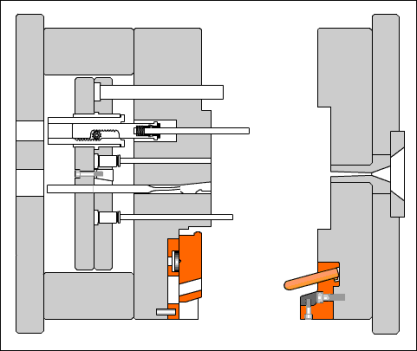
We offer more than just injection molding services. Based on customer needs, we provide comprehensive services, from product part design improvements to mold design and manufacturing, and injection molding production. Furthermore, we provide ongoing product upgrade services tailored to customer requirements.
Mold Flow Analysis
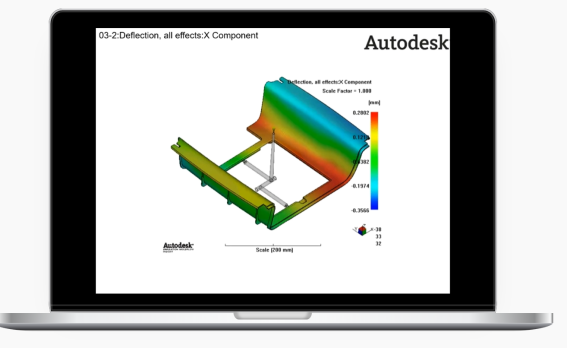
The Engineers use mold flow analysis to optimize gate location, cooling system design, and process parameters, and to predict potential defects such as weld lines, warpage, and voids before mold production.

Mold manufacturing
Based on a comprehensive consideration of part structure, materials, and cost, we determine the optimal number of cavities and select appropriate hot and cold runner systems to meet customer requirements. Tolerances are strictly controlled to +/- 0.001 inches. 100% pre-shipment inspection. Mold manufacturing cycle: 15 to 30 days. Highly trusted by numerous companies for our reliable service.

Single-Cavity Molds
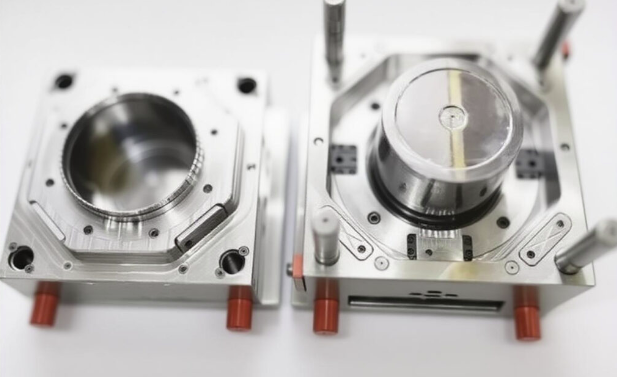
Ideal for prototype validation and low-volume production, our single-cavity molds deliver exceptional dimensional accuracy for geometrically intricate parts. Utilizing premium tool steels, we ensure superior surface finishes and extended service life.
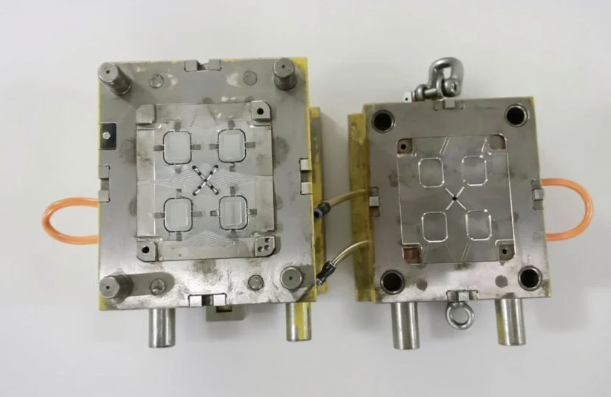
Multi-Cavity Molds
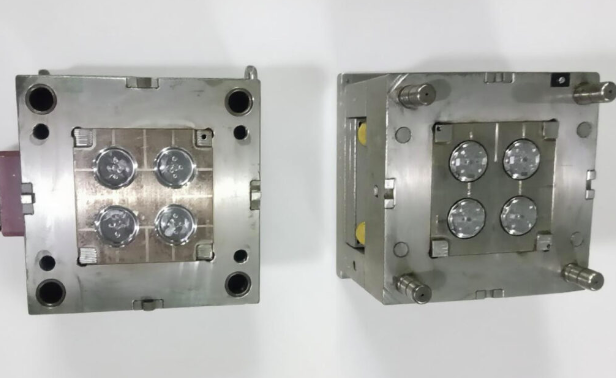
Engineered for mass manufacturing , our multi-cavity moldsfeature balanced runner systems and conformal cooling to achieve short cycle time. Integrated hot runner tech educes scrap rate to 1%,Our multi-chamber injection molds ensure more efficient utilization of cycle time while offering lower unit part costs.
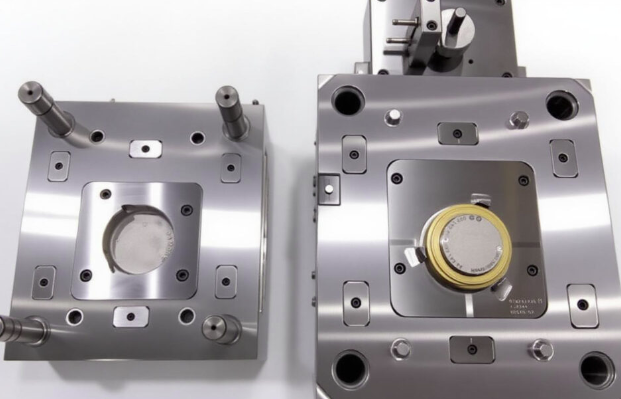
Overmolding Molds
Used for multi-material or multi-color part production, overmolding molds enable the integration of different materials or features in a single molding cycle, enhancing product functionality and appearance
Aluminum/Zinc Die Casting Molds
Experience rapid production of robust metal components with our die casting molds. These specialized tools deliver exceptional value by significantly reducing manufacturing time compared to traditional methods, while maintaining consistent accuracy for fine details like textures and logos.
| Product Name | Customized Mould | Runner System | Hot runner,cold runner |
|---|---|---|---|
| Mould Material | SKD61.8407.H13.2344.DAC,W302 etc. | Side gate etc. | Spree Type |
| Surface treatment | Sand casting, chemical corrosionmatt, polishing,sparkerusion, photoetched etc | Mould Standard | MISUMI, HASCO DME, LKM |
| Mould cavity | Single, Multi-cavity, or1+1 in one mold. | Product Material | ADC3、A360、 B390、ADC14、ADC6、ADC-12,etc |
| Mould life | 300,00-1,500.00shots | Design Software | Solidworks, Pro-EUG, CAD etc. |
| Tolerance | 士0.02mm~士0.05mm | Drawing format | IGES, STEPAutoCAD, Solidworks.STL, PTC Creo, DWG.PDF, etc. |
Introduction to Injection Molding Materials
1. Thermoplastic plastics: These soften and melt when heated, solidify upon cooling, and can be processed repeatedly. They account for over 90% of injection molding materials.
| Category | Typical Materials | Density (g/cm³) | Melting Point / Heat Distortion Temp (°C) | Key Properties | Typical Applications |
| General Plastics | PP (Polypropylene) | 0.90~0.91 | 167/100 | Good chemical resistance, lightweight, low cost | Daily necessities, automotive parts, pipes |
| PE (Polyethylene) | 0.92~0.96 | 130-135/80 | Good toughness, low temperature resistance | Packaging films, containers, toys | |
| PVC (Polyvinyl Chloride) | 1.30~1.45 | 80-85/70 | Good toughness, acid and alkali resistance | Pipes, profiles, cable sheaths | |
| PS (Polystyrene) | 1.04~1.06 | 240/90 | Transparent, easy to process, rigid | Stationery, appliance housings, packaging | |
| Engineering Plastics | ABS (Acrylonitrile-Butadiene-Styrene) | 1.04~1.06 | 105-110 | High impact resistance, easy to plate, good molding | Appliance housings, automotive interiors, toys |
| PC (Polycarbonate) | 1.2 | 220/130 | High transparency, impact resistance, heat resistance | Optical components, safety helmets, baby bottles | |
| PA (Nylon) | 1.13~1.15 | 220-260/80-100 | Wear-resistant, high strength, wear-resistant | Gears, bearings, automotive parts | |
| POM (Polyoxymethylene) | 1.41~1.43 | 175/100 | Wear-resistant, fatigue resistant, solvent resistant | Gears, bearings, electronic components | |
| PBT (Polybutylene Terephthalate) | 1.31~1.33 | 225/150 | Heat resistant, good chemical resistance, electrical insulation | Electronic connectors, automotive parts | |
| Special Engineering Plastics | PEEK (Polyetheretherketone) | 1.3 | 343/160 | High temperature resistance, corrosion resistance, high strength | Aerospace components, medical devices |
| PI (Polyimide) | 1.40~1.50 | 400+/260 | Extremely high heat resistance, radiation resistance, corrosion resistance | Electronic components, semiconductor devices | |
| PPS (Polyphenylene Sulfide) | 1.34~1.36 | 280/200 | Flame resistant, chemical resistance, dimensional stability | Electronic components, automotive engine parts |
2. Thermosetting Plastics: These plastics solidify irreversibly upon heating, exhibiting excellent heat resistance and rigidity, but cannot be reprocessed.
Typical materials: Epoxy resin (EP), Phenolic resin (PF), Polyurethane (PU), Unsaturated polyester (UP)
Performance characteristics: High temperature resistance, high rigidity, good dimensional stability
Application scenarios: Electrical components, automotive interior parts, composite materials, insulation parts
3. Elastomers: Possessing characteristics of both plastics and rubber, they exhibit rubber-like elasticity at room temperature and can be melted and processed at high temperatures.
Typical materials: TPU (thermoplastic polyurethane), TPE (thermoplastic elastomer), TPR (thermoplastic rubber)
Performance characteristics: High elasticity, wear resistance, low-temperature resistance
Application scenarios: Sealing strips, floor mats, handle covers, children’s toys